In recent years, search engine optimization (SEO) has undergone a major transformation. Traditional methods like keywords, backlinks, and on-page content optimization still matter, but a new approach has evolved. This approach is Generative Engine Optimization or GEO. As artificial intelligence (AI) becomes more advanced, search engines are learning to generate, understand, and rank content in smarter ways. Generative Engine Optimization plays a key role in this change. The shift from SEO to GEO signifies a move from optimizing for search engine rankings to enhancing visibility within AI-generated responses.
In this blog, we will discuss:
- What is Generative Engine Optimization?
- The Evolution of Search: From SEO to Generative Engine Optimization
- Why Generative Engine Optimization Matters in the AI Era
- Similarities and Differences Between SEO and GEO
- The Shift From SEO to GEO
- Integrating SEO with GEO
- Key Components of Generative Engine Optimization
- Best Practices for Generative Engine Optimization
- Challenges & Ethical Considerations
- Marketing and Awareness
- What the Future Might Hold
- How to Measure Success in Generative Engine Optimization
- Steps to Implement Generative Engine Optimization in Your Organization
- Potential Pitfalls and How to Avoid Them
The idea is to help you understand how to stay ahead in search engine optimization (SEO) as AI systems generate and evaluate content in increasingly sophisticated ways.
What is Generative Engine Optimization?
Generative Engine Optimization refers to optimizing content and online presence so that it is easily readable by traditional search engines. It is also best suited for AI-driven generative engines. These generative engines include models that can craft summaries, answer questions, produce snippets, or even generate full content on behalf of users.
The goal of Generative Engine Optimization is to create content that is useful, trustworthy, well-structured, and AI-friendly. The content should be easy for generative AI systems to process, extract, or generate from. It is an evolution of SEO with an emphasis on AI consumability and forms one of the top solutions for AI visibility and generative engine optimization in the modern digital landscape.
The Evolution of Search: From SEO to Generative Engine Optimization
Search has come a long way. Remember when we typed short phrases into Google and scrolled through blue links? That was the golden age of search engine optimization (SEO). As AI takes the lead, we’ve entered the era of AI visibility solutions with the best generative engine optimization, where content is created not just for humans but also for AI systems that interpret and generate information.
The rise of LLMs (large language models) in 2023 was the turning point. Tools like ChatGPT changed how people ask questions. Queries are now longer, more conversational, averaging 23 words instead of 4-5. This shift gave birth to generative AI SEO, where optimization targets direct answers rather than rankings.
This is how Generative AI evolved:
- November 23– Researchers presented the concept of generative engine optimization in a new study and supported it with a dataset of 10,000 sample queries.
- Early 2024– Marketing experts began discussing it widely, and platforms like Search Engine Land described it as an essential development.
2025– GEO is becoming the new standard, with specialized tools like Profound and Otterly AI designed to track how content is visible across AI platforms.
To keep themselves updated, businesses must adapt to this new evolution. Optimizing for large language models (LLMs) like GPT-4 has become essential, as AI platforms now spread search across apps like Instagram and Siri. The old rules of search are being completely rewritten.
Why Generative Engine Optimization Matters in the AI Era
Understanding generative engine optimization is essential because:
- AI Systems Are Changing Search Behavior– Users are increasingly using voice search, chatbots, and AI assistants. They ask questions and expect precise answers. Generative engines are the backbone of those systems.
- Search Engine Features Are More Generative– Featured snippets, knowledge Graph, and answer boxes are no longer just passive displays of content. AI helps generate them from many sources. Optimizing for those features is part of Generative Engine Optimization.
- User Expectations Are Rising– People expect clarity, depth, and trust. Content that is thin, misleading, or poorly structured will lose out. Good content that satisfies the user’s intent will be rewarded.
- Competition Increases– As AI tools become more common, content creators need a better strategy. Generative Engine Optimization helps them to stand out.
Similarities and Differences Between SEO and GEO
- Both SEO and GEO are the main pillars of modern digital marketing. Both play vital roles in enhancing the discovery of online content.
- SEO has traditionally helped brands appear on search engines like Google and Bing, while GEO is transforming how brands are discovered on AI-powered platforms.
- You can improve your content for both conventional and AI-driven searches by knowing how SEO and GEO work together and how they differ.
Let’s explore their similarities and differences, and see how combining both can strengthen your online presence.
Similarity between SEO and GEO
The similarity between SEO and GEO is:
- Online Visibility– Both focus on improving online visibility to ensure the content reaches the right audience effectively.
- Keyword Optimization– SEO and GEO both rely on strategic keyword usage to increase discoverability and relevance.
- Quality Content Matters– Both prioritize informative, original, and well-organized content that delivers genuine value to the audience. Read our blog on “content writing tips” for more details.
- User Intent is Key– Creating content that is interesting, accessible, and easy to navigate is a top priority for both.
- Data and Analytics Driven– Both use insights, performance metrics, and user behavior data to refine strategies and improve results.
Difference Between SEO and GEO
- Platform Focus– SEO focuses on optimizing content for traditional search engines like Google and Bing. GEO, on the other hand, optimizes content for AI-powered platforms such as ChatGPT, Perplexity AI, or Gemini, where answers are generated rather than listed.
- Content Delivery– SEO aims to rank content on web pages and get clicks through search results. SEO focuses on helping AI systems understand, summarize, and reference your content directly in generated answers.
- Optimization Technique– SEO uses backlinks, metadata, and technical optimization. GEO focuses on context, clarity, and meaning so AI tools can understand the content correctly.
- Search Behavior– SEO depends on user queries typed into search bars. GEO responds to conversational prompts and natural language interactions.
- Measurement of Success– SEO measures success through rankings, clicks, and traffic. GEO
GEO measures visibility by monitoring mentions, references, and appearances in AI-generated responses.
The Shift from SEO to GEO
In traditional SEO, our strategies for ranking on SERP results include keyword optimization, acquiring backlinks, and creating in-depth content. These are examples of “which action describes a strategy of search engine optimization in the traditional way. However, this focus has shifted with the advent of generative AI.
AI platforms now gather information from multiple sources and provide direct answers to users, eliminating the need for them to click on links. Measuring generative engine optimization success metrics has become essential in this shift, as it helps marketers understand how well their content performs in AI-driven environments. This shift calls for a new approach: GEO.
Traditional SEO vs GEO:
| Aspect | Traditional SEO | Generative Engine Optimization (GEO) |
|---|---|---|
| Focus | Ranking on SERPs | Inclusion in AI-generated responses |
| Optimization Target | Search engine algorithms | AI systems and large language models (LLMs) |
| Strategy | Keyword density, backlinks, and content quality | Content structure, schema markup, factual accuracy |
| Goal | Drive traffic to the website | Enhance visibility within AI-generated answers |
Integrating SEO with GEO
Integrating SEO with traditional GEO strategies can help websites perform better in search results while providing a more personalized user experience. Businesses can achieve this by using affordable generative engine optimization solutions with real-time analytics to track performance, understand user intent, and continuously refine their content for both search engines and AI-driven platforms.
Let’s break it down in a simple, easy-to-understand way.
- Traditional SEO alone may not capture the full potential of AI-driven search.
- Combining SEO with GEO ensures your content ranks well in both conventional search results and AI-generated answers.
- It helps websites provide high-quality, user-friendly content that AI systems prefer.
- With the growing popularity of AI-powered search, businesses can obtain a competitive advantage.
Benefits of Integrating SEO with GEO
- Better visibility in both traditional search and AI-driven results.
- Higher user engagement due to relevant and structured content.
- Improved chances of being featured in AI-generated summaries or “answer boxes.
- Stronger brand reputation, since AI engines favor content that is credible and well-presented.
Key Components of Generative Engine Optimization
To succeed at Generative Engine Optimization, you need to focus on several crucial components. Each plays a role in optimizing for AI-driven search and content generation.
1. Understanding User Intent and Context
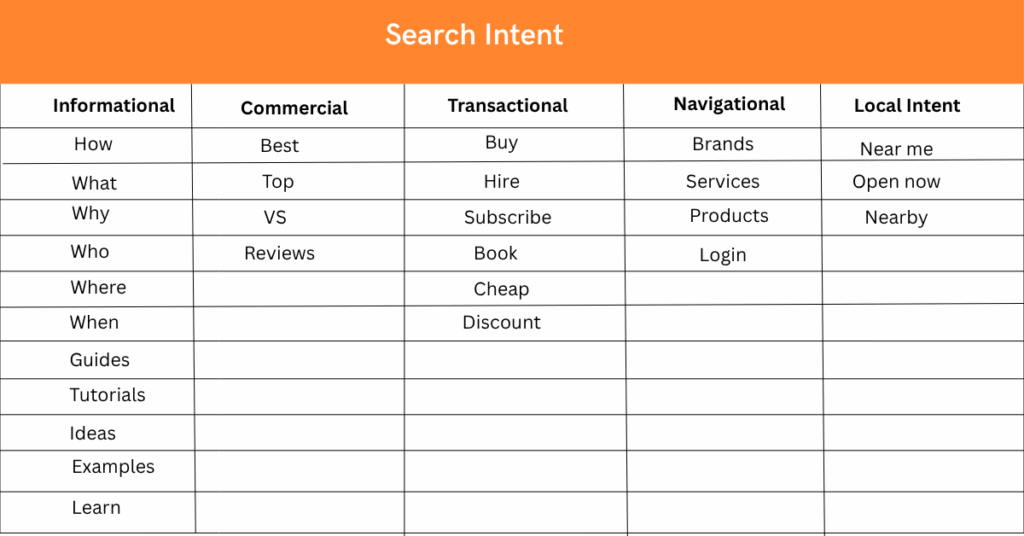
- Search Intent– Whether users are looking for information, wanting to buy something, searching for a location, etc, Generative AI often takes intent into account when generating responses.
- Contextual Relevance– Your content should reflect context, link to related ideas, and cover subtopics. AI systems consider the broader context—related topics, subtopics, user history, etc.
- Questions & Answers– Incorporate likely questions your audience may ask. Use FAQ sections and Q&A structures. This helps generative engines extract relevant answers.
2. High-Quality, Authoritative Content
- Expertise– Show that you know what you are talking about. Use facts, reliable sources, and case studies. Generative engines will favor content that looks useful.
- Originality– Don’t duplicate content. Make your content original by sharing new information or ideas.
- Depth– When answering questions, explain “why” and “how,” not just “what.”
3. Structured Data and Semantic Markup
- Schema Markup– Use structured data schemas like FAQ, Article, How-To, etc. This helps AI and search engines understand the structure of your content.
- Clear Headings– Use headings (H1, H2, H3…) in logical, meaningful ways. This makes it easier for both readers and AI to understand your content.
- Metadata and Summaries– Well-written meta descriptions, summaries, and internal summaries help AI systems to generate snippets or previews.
4. Natural, Conversational Language
- Conversational Tone– AI assistants often deliver content in a conversational style. Using the same in your content can help. Use simple sentences, especially for answer generation. Keep sentences simple, or AI might misread or cut them off.
- User-Friendly Explanations– Use analogies, stories, and examples to illustrate. This helps both the user and the AI system grasp the idea.
5. Content Modularity and Reusability
- Break Content into Pieces– Use smaller sections, reusable components, small content parts (e.g., definitions, FAQs, steps).
- Repurpose Content– Use parts of content in snippets, social media posts, and voice responses. This aligns with generative engine outputs.
6. Strong Signals
- Backlinks From Authoritative Sites– Always get backlinks from high DA and reputable sites with a low spam score. The backlinks still matter. Your site gets trust signals from search engines.
- User Engagement Metrics– User engagement metrics like time on page, bounce rate, and shares could become important signals for AI.
- Reviews, Testimonials, and Author Information– To build authority and trust.
- Best Practices for Generative Engine Optimization
Follow these steps to add the Generative Engine Optimization strategy to your content.
Content Planning
- Perform Topic Clustering– Organize content by key themes so AI can see how ideas are related.
- Use Keyword Intent Mapping– Understand what kinds of questions people ask and what kind of answers they expect. Do not just search volume keywords.
- Content Calendars– Create plan for evergreen content + timely pieces + FAQs.
Creating Content
- Introduction– Always start with a clear introduction explaining what the reader will learn from this. This helps both readers and AI understand the structure of the content.
- Use FAQ or Q&A – Including these sections for common questions helps with voice search and snippet extraction.
- Write Plain Language– Use simple language and avoid complicated terms unless required.
- Include Examples, Stories, and Case Studies– Human touch helps readers stay engaged, and the content feels authentic.
On-Page SEO & Technical Setup
- Schema Markup– Use schema markup (structured data) for articles, FAQPage, HowTo, etc.
- Titles and Headings– to match search intent. Keep them clear and descriptive.
- mobile Friendliness– Ensure fast loading times, and secure connection (HTTPS). AI-friendly content must also be user-friendly.
- Use Internal Linking– Link your content to similar articles to help AI recognize topic relevance.
Optimizing for Generative Engines
- Snippets and Summaries– Include summary paragraphs (50-100 words) at the top or before sections.
- Concise Answers– To expected questions early in the content, so that generative engines can pull them easily.
- Use Bullet Lists– And numbered steps for clarity.
- Anticipate Voice or Conversational Queries– (e.g., “Why does X happen?”, “How to do Y?”) and answer them directly.
Monitoring & Continuous Improvement
- Track SERP Features– Are you appearing in featured snippets? Answer boxes? Voice search?
- Monitor User Behavior– How long visitors stay, where they drop off. Experiment with content structure, format, and tone to see what engages both users and AI tools.
- Keep Up with AI/SEO Research– Stay informed about AI models, search engine updates, and changing user behavior.
Challenges & Ethical Considerations
Although Generative Engine Optimization has many benefits, it also has challenges and ethical concerns that must be handled responsibly. To address these issues and understand how to improve GEO, marketers need to focus on transparency, data accuracy, and user intent. Following ethical content practices, like giving credit to sources and avoiding false information, can greatly improve user trust and make AI-generated content more reliable
- AI Hallucinations and Reliability– Generative AI sometimes produces incorrect or misleading information (hallucinations). If your content is used as source material, there is a risk. So, ensuring accuracy is essential.
- Bias– AI can be biased, so your content should be inclusive, culturally sensitive.
- Ownership & Plagiarism– Some AI tools might create content that copies or is too similar to existing work. Always check for originality.
- Ethical Use of Data & Privacy– When using user data for personalization or context, privacy must be respected. Follow all data protection laws.
- Maintaining Human Value– Content should stay natural and authentic, not just tailored for machines.
How Businesses Can Adapt
To succeed with Generative Engine Optimization, companies need to make strategic changes in how they work.
- Build AI-Aware SEO Teams– Hire or upskill people who understand both SEO and generative AI. Train content creators to write for AI readability, not just human readers. Include technical SEO expertise to handle schema markup, structured data, and performance.
- Invest in Tools & Infrastructure– Use AI tools for research, content gap analysis, and topic clustering. Tools let you organize, reuse, and structure content easily. Use tracking tools to see your performance in snippets and voice searches.
- Content Strategy Shift– Focus on long-form, value-rich content instead of short, thin posts. Encourage user-generated content, expert contributions, and reviews to build trust. Pay attention to what users ask, their feedback, and improve.
- Quality Assurance & Editorial Standards– Keep readability high by using readability tools (Flesch-Kincaid, Grammarly, etc.). Verify that the generated content matches your tone and is correct.
Marketing & Awareness
Make others understand what Generative Engine Optimization means.
- Align Objectives– Aim for trust and engagement, not only higher rankings.
- Measure Success in Multiple Ways– Track success through traffic, search visibility, and user retention—not just keyword rankings.
Real-World Examples (Case Studies)
Let’s understand how Generative Engine Optimization works in practice.
Example: Health & Wellness Blog
A health blog publishes an article about “how to lower blood pressure naturally.” To optimize for generative engines, they include:
- A Summary Section at the Top that Answers– What are 5 easy ways to lower blood pressure naturally?
- FAQ Section– Can diet alone lower blood pressure? How long until I see results?
- Schema Markup– For FAQ page.
- Case Study or Testimonial– From someone who made changes and saw results.
- Internal Links to Related Content– “foods that reduce sodium,” “stress reduction tips,” etc.
Result:
The blog begins appearing in featured snippets and voice assistant results when users ask about lowering blood pressure. The traffic increases, but more importantly, engagement improves. People stay longer, click through more, and trust builds.
What the Future Holds
What can we expect as AI, generative models, and search engines continue to develop? The importance of Generative Engine Optimization will grow with time. Here are some trends to watch.
- More Generative Features in Search Engines– Search engines will offer more features like AI chat, answer assistants, and instant summaries. Content that fits those models will perform better.
- Increasing Use of Voice & Multimodal Search– People will use voice more. Also, images, video, and audio will be integrated more deeply. Generative engines that use text, images, and audio will need optimization beyond just written content.
- Personalized Content Generation– Engines may generate responses tailored to individual user behavior, preferences, and history. Generative Engine Optimization will need to focus on personalization by creating different versions of content for different users.
- Deeper Integration of Trust Signals– Verification, author credentials, source citations, and user reviews. Optimizing for trust will be as important as keyword usage.
- Regulation and Standards– There may be guidelines/regulations around AI-generated content accuracy, bias, and fairness. Ethical standards will not just be optional but expected.
- AI-to-AI Interactions– Your content might be first summarized by AI systems, which then will serve it to users.
If content is optimized for these interactions (clear, factual, trustworthy), it will give better results.
How to Measure Success in Generative Engine Optimization
To know if your Generative Engine Optimization is working, we can use multiple methods of measurement.
- SERP Features Tracking– How often do your pages appear in featured snippets, answer boxes, “People Also Ask”, and voice search results?
- Traffic Metrics– How many visitors stay, engage, convert. There should not just be total traffic, but qualified traffic.
- Engagement Metrics– Bounce rate, time on page, and scroll depth will be monitored.
- User Feedback– Such as comments, shares, and direct feedback.
- Trust Metrics– Reviews, author bio, and backlinks from credible sources.
- Conversion Metrics– Sales, leads, and sign-ups. Ultimately, content should help achieve business goals.
Steps to Implement Generative Engine Optimization in Your Organization
Generative Engine Optimization focuses on creating content that AI systems can easily understand, summarize, and present accurately. One of the “best practices for adding statistics to boost GEO performance is to include relevant, up-to-date data from credible sources within your content. Well-structured statistics help generative engines recognize your content as authoritative.
Here is a step-by-step plan you can adapt.
- Audit & Research– Audit your existing content for structure, clarity, use of schema, and FAQ sections. Research what your audience asks. Identify gaps in topic clusters.
- Planning & Strategy– Define core topics. Develop a content calendar. Decide where to add FAQ, summaries, and voice-friendly content. Create editorial guidelines that make sure the content is easy for AI to read.
- Content Creation & Revision– Create new content with Generative Engine Optimization principles. Revise existing content, add summaries, schema, clear headings, and answer questions directly. Use reliable sources.
- Technical SEO Setup– Make sure your site is fast, mobile-friendly, secure, and well-structured. Use internal links, meta tags, and optimized images.
- Distribution & Promotion– Promote content via social, email, and partnerships. Encourage reviews or user feedback. Build backlinks.
Track and Improve– Set KPIs. Monitor SERP features, traffic, and engagement. Use A/B tests. Adjust content format, tone, and structure as needed.
Tools for Mastering Generative Engine Optimization
Tools for understanding generative engine optimization metrics help marketers and content creators measure how their content performs in AI-driven search environments. These tools analyze factors like content clarity, trustworthiness, structure, and how easily AI systems can interpret or summarize your information.
For new businesses looking for “which SEO tools specialize in generative engine optimization for startups? Here is a list of a few top tools that can be used for GEO:
- Otterly AI– Tracks visibility.
- Semrush AI Tool Kit– Monitor mentions.
- Profound– Analyzes AI responses for sentiment.
- Frase ai– Use to structure drafts and content optimization.
HubSpot AI Search Grader: For free audits.
Potential Pitfalls & How to Avoid Them
When doing Generative Engine Optimization, watch out for these mistakes.
- Over-Optimization– Stuffing your content with target keywords or forcing unnatural structure can be harmful. AI may penalize or ignore content that is manipulated.
- Neglecting Human Experience– Even though AI is important, humans are your actual audience. If the content is unreadable or boring, it will fail.
- Ignoring Updates– AI models and search algorithms keep evolving. What works today may need improvement tomorrow. Keep learning new updates.
- Lack of Authenticity– Generic content that appears to be written by bots may lose trust.
- Focusing Only on SEO, Ignoring Business Goals– A page optimized for generative engines but not aligned with sales, branding, and leads may give traffic but no return.
Conclusion
We are entering a new chapter in digital content and search. Generative Engine Optimization is the future of SEO in the AI era. To succeed, creators, marketers, and businesses should make high-quality, organized, and trustworthy content that works for both people and AI.
By knowing what users want, using structured data, writing naturally, and staying updated on AI trends, you can succeed. Organizations that adapt will get more visibility, engagement, and user trust.
As AI evolves, remember: optimization isn’t about fooling machines. It is about serving people in the best possible way, with clarity and value. Tracking generative engine optimization success metrics helps you understand how well your content meets these goals. With Generative Engine Optimization, you are building for the future now.
Adopt Generative Engine Optimization in your SEO strategy to stay ahead and keep your brand visible and relevant in the AI era.